An electrodeionizer for thermal power plants is specialized equipment that utilizes electrochemical principles to remove dissolved oxygen from boiler feedwater. Its core function is to directly and precisely eliminate oxygen from water through electrochemical reactions, thereby preventing oxygen corrosion in thermal systems and ensuring the long-term safe operation of critical plant equipment. Unlike traditional thermal deaeration methods, power plant electro-deaerators typically operate at ambient or lower temperatures without relying on steam heating, offering alternative system design possibilities. In practical applications, evaluating the suitability of an electro-deaerator requires comprehensive consideration of its deaeration efficiency, operational energy consumption, and maintenance complexity.
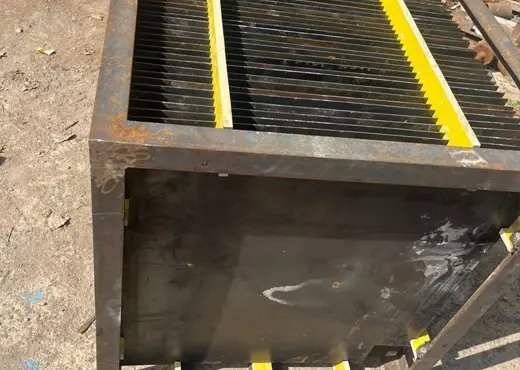
When a thermal power plant electrodeionizer incorporates titanium plate components, its post-retirement recycling value significantly exceeds that of standard equipment. Titanium plates, prized for their exceptional corrosion resistance and stable electrochemical properties, are frequently utilized as electrodes or critical linings in high-end electrochemical reactors. The value of these materials exists independently of the equipment's scrap metal worth. Global titanium scrap recycling market dynamics, driven by stable demand from aerospace, medical, and other industries, provide a sustained foundation for the recycling value of high-purity titanium materials. Specialized precious metal recyclers, such as international companies like DONGHENG Precious Metal and EcoTitanium, possess the capability to process such specialized scrap. Therefore, identifying and separating titanium components during the disposal of obsolete EDUs is crucial, as their recovery can partially offset the costs of equipment renewal.
Click here for the latest titanium scrap prices.
Cutting-edge electrochemical deaeration technology is evolving toward high efficiency and low maintenance costs. The newly developed gravity-assisted membrane-free electrochemical reactor exemplifies the potential characteristics of next-generation thermal power plant deaerators. This technology eliminates expensive, limited-lifespan ion-exchange membranes, achieving up to 95% product self-separation through ingenious fluid dynamics design, thereby significantly reducing system complexity and maintenance requirements. Its integrated gas diffusion electrode achieves mechanical strength and operational stability 30 times greater than traditional materials, with an estimated service life of 10 years. Performance-wise, this innovative design pursues an order-of-magnitude improvement in deaeration capacity per unit cost. Although current research focuses on food preservation applications, its core advantages of extended lifespan and low maintenance align precisely with key expectations for power plant deaerators in industrial settings.
Conventional non-titanium plate DEAs for thermal power plants may employ aluminum alloys or other metallic alloys as electrode materials. The core challenge these devices face during long-term operation is electrode material corrosion and degradation, which directly impacts the stability of deaeration performance and the equipment's service life. Compared to the new membrane-free design, many traditional electrochemical deaerators rely on ion-exchange membranes to separate reaction products. These membranes are consumables requiring periodic replacement, increasing long-term maintenance costs and downtime risks. Practical operational experience indicates that the total cost of ownership for these traditional thermal power plant EDUs extends beyond initial acquisition costs. Key considerations include frequent component replacements, system maintenance, and the risk of substandard deaeration due to performance degradation. Therefore, when selecting an EDU for thermal power plants, evaluating core materials and conducting a full lifecycle cost analysis are indispensable.
Explore industrial precious metal scrap with higher recycling value via the link below



 Language


