

 Language
 Home > Recycling Services > Guide to Recycling Ruthenium-Iridium Powder
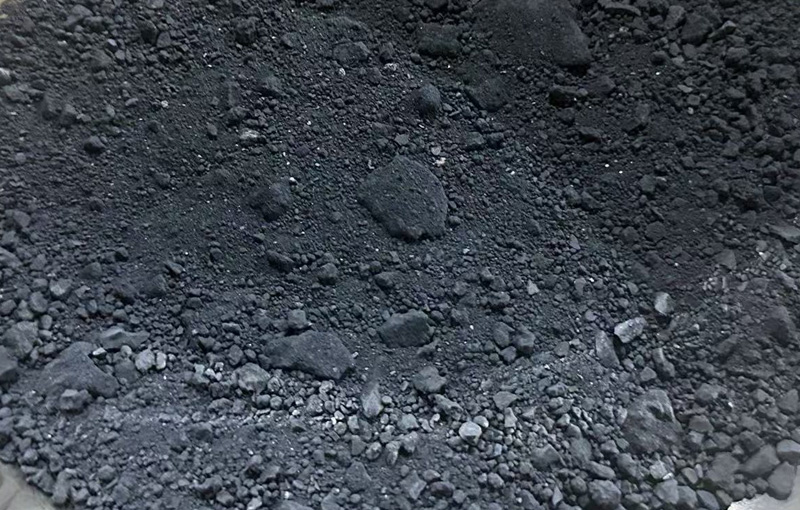
 Processing ruthenium-iridium powder first requires identifying its source classification, which directly determines subsequent refining processes. Based on actual 2025 international market circulation, ruthenium-iridium powder primarily falls into two categories: First, coating powders washed from spent ruthenium-iridium mesh plates in chlor-alkali industries and electrochemical applications. This powder typically contains organic films or oxides, requiring high-temperature hydrogen reduction or molten salt electrolysis for recovery. Second, grinding and polishing powders generated during jewelry manufacturing. This type of powder often contains gypsum, wax residues, and other base metal impurities. In practice, the grade of ruthenium-iridium powder we encounter varies significantly. Low-grade powder may contain only 5%-10% platinum group metals, while high-purity powder can be used directly as production feedstock. Precious metal recycling company DONGSHENG METAL's 2026 operational guidelines stipulate that incoming ruthenium-iridium powder must undergo preliminary screening via XRF fluorescence spectrometry to determine the approximate ruthenium-to-iridium ratio. This is because ruthenium readily forms volatile oxides at high temperatures, necessitating strict control of the oxidizing atmosphere when processing high-ruthenium-content powder.
Two Methods for Obtaining Ruthenium-Iridium Powder
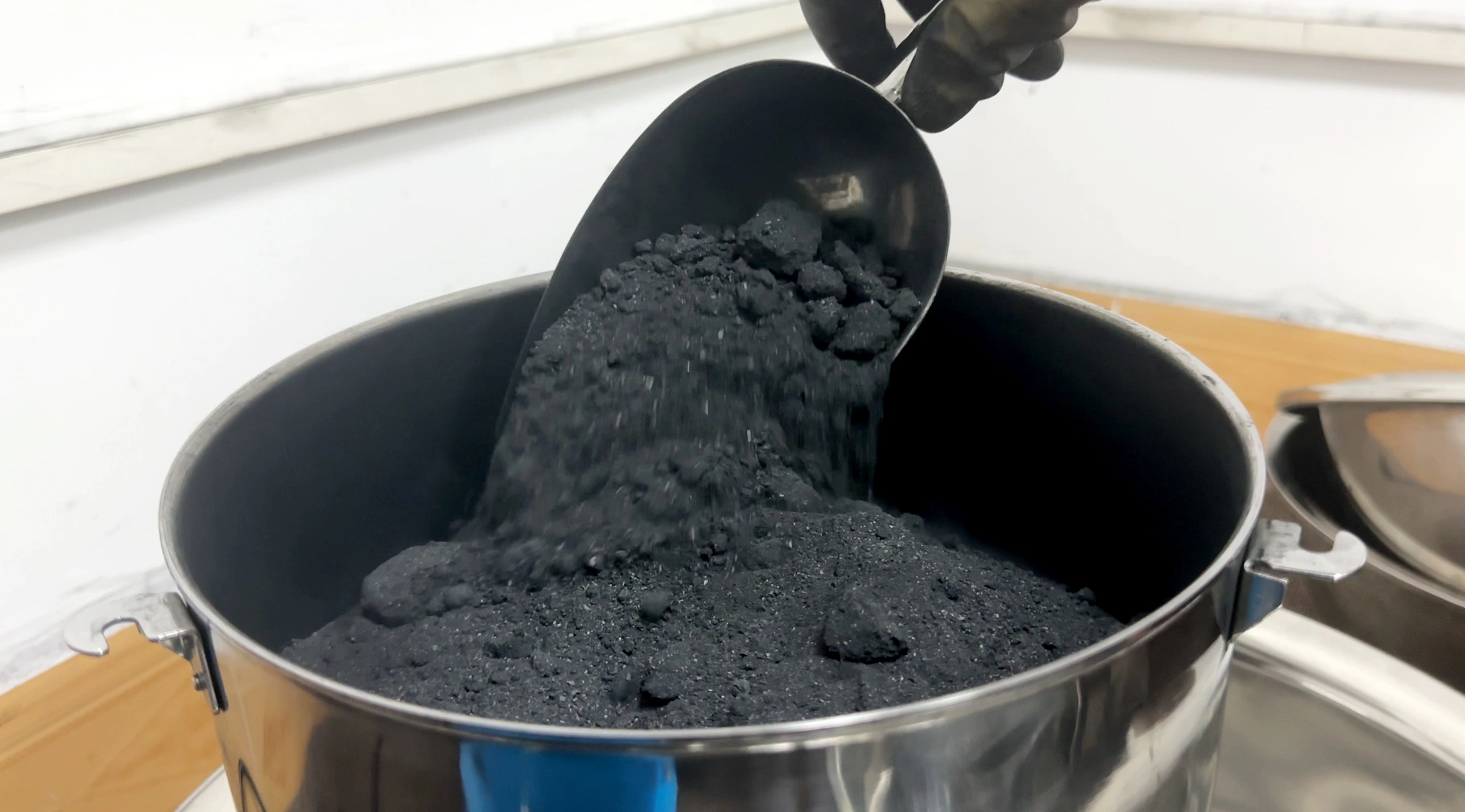
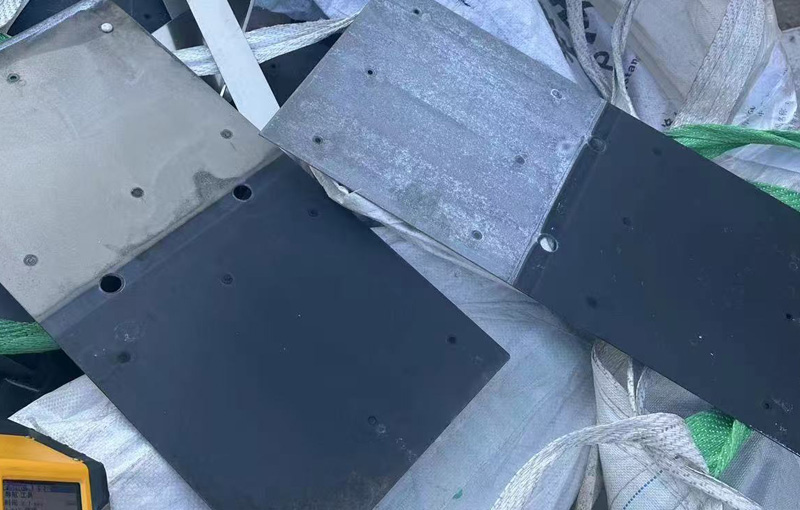
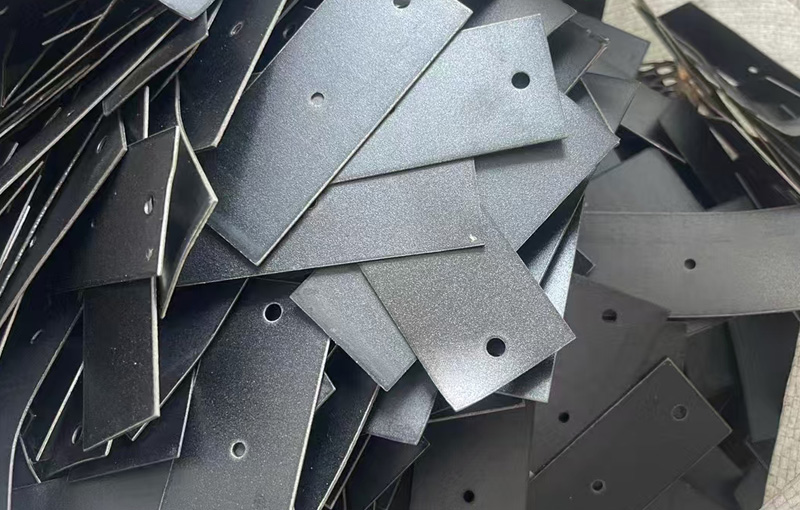
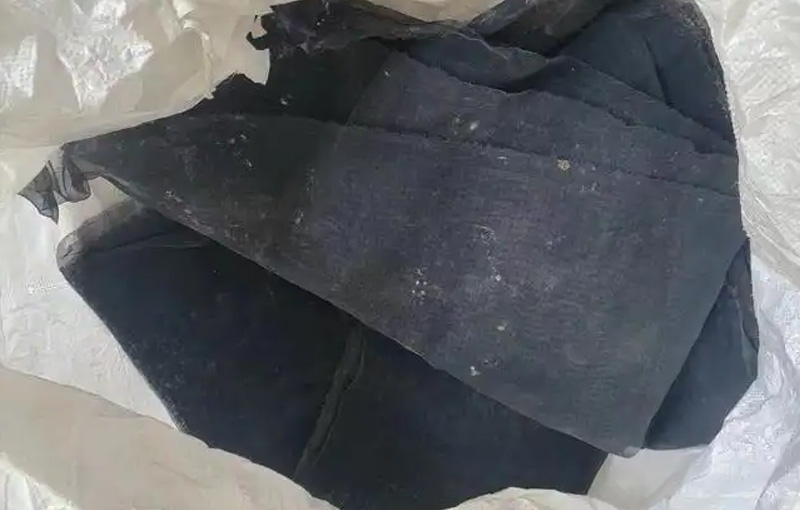
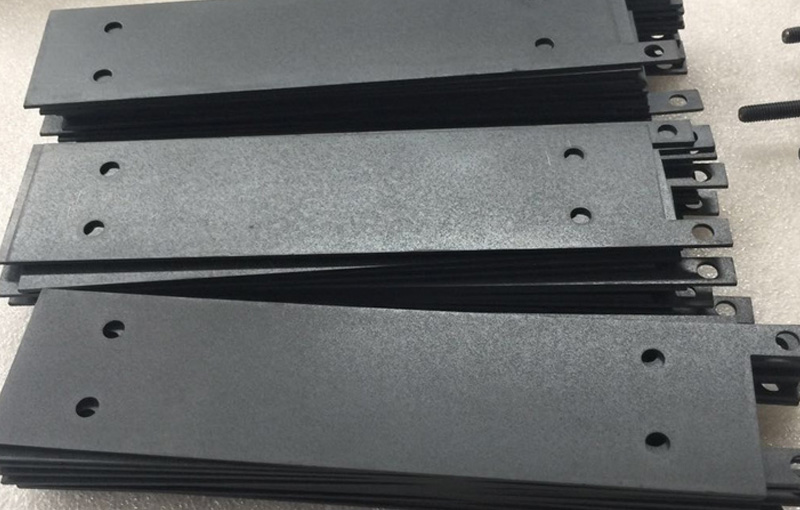
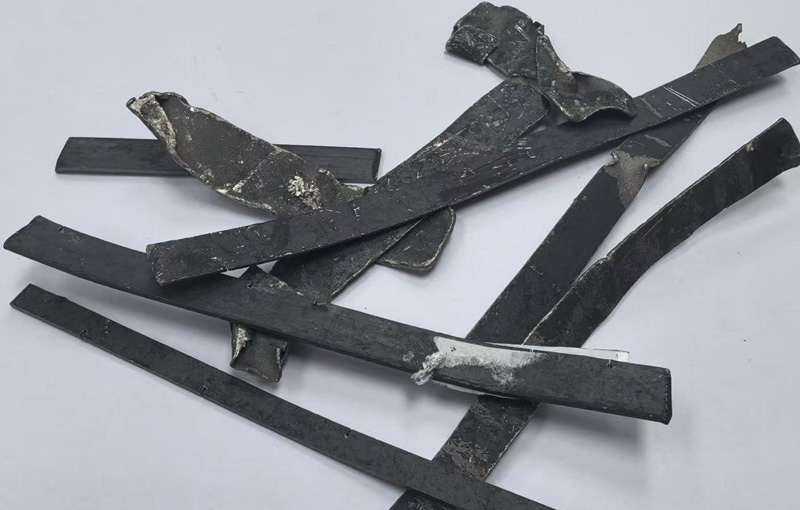
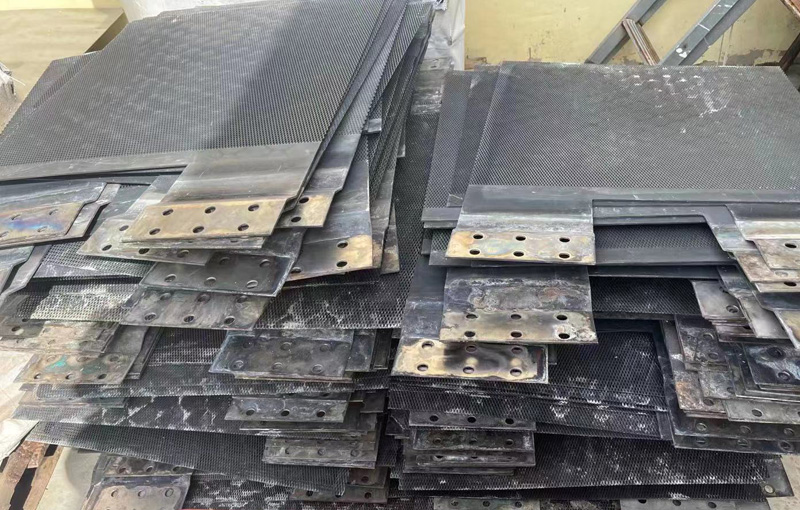
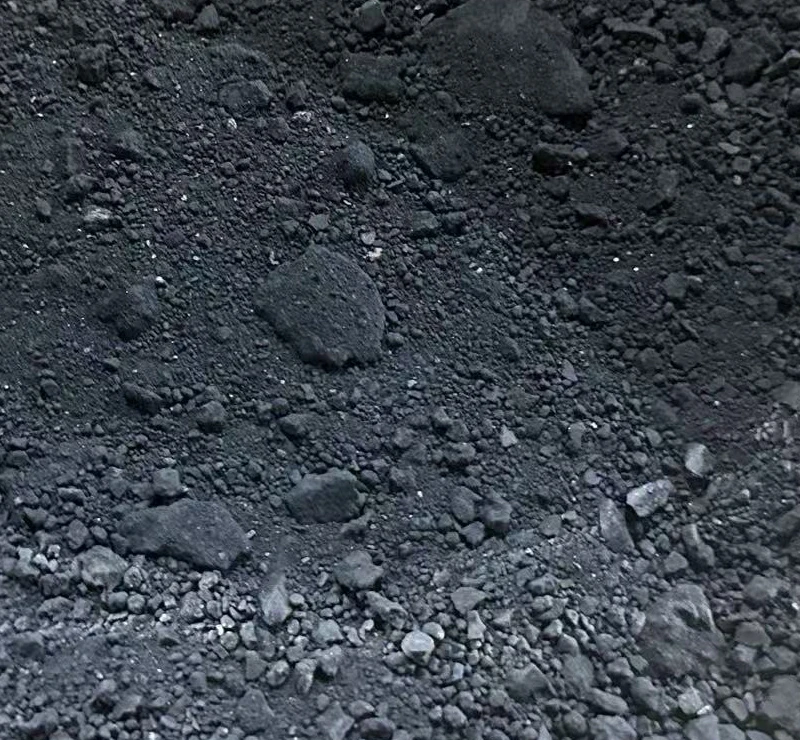
In the chlor-alkali industry and seawater electrolysis sector, ruthenium-iridium screen plates serve as core consumables. When coatings become inactive, the black powder stripped from titanium-based screen plates via high-pressure water jetting or chemical washing constitutes what we refer to as ruthenium-iridium screen plate powder. This powder exhibits extremely fine particle sizes typically ranging from 1 to 5 microns and features a flake-like structure. To balance chlorine evolution activity and oxidation resistance in the original coating formulation, the iridium content in this powder is typically designed between 50%-70%, with ruthenium accounting for 20%-30%, and the remainder consisting of small amounts of tantalum or titanium oxides. In the 2025 South American electrolytic copper foil project, recovered ruthenium-iridium powder washed from spent screens was re-slurried and sprayed directly into new anode coatings, achieving a closed-loop cycle. This ruthenium-iridium screen powder exhibits extremely high reactivity, necessitating strict dust explosion prevention during handling. North American safety regulations mandate packaging and transportation under inert gas protection.
The jewelry industry represents another significant source of ruthenium-iridium powder, though its form is more complex. When artisans polish and grind platinum jewelry containing ruthenium or tantalum additives, the collected dust constitutes what we refer to as jewelry-derived ruthenium-iridium powder. This powder typically contains significant amounts of organic contaminants such as emery abrasives, polishing wax, and skin flakes from operators' hands. In 2025, DONGSHENG METAL processed a batch of recycled rhodium-iridium powder sourced from the Vicenza Jewelry Fair in Italy. Its actual metal content was only 8%, with the ratio of rhodium to iridium varying based on the original jewelry alloy formulation. Sometimes, iridium content is relatively high to increase platinum hardness. When recycling this powder, organic matter is first removed via high-temperature incineration followed by wet dissolution. Notably, since pure iridium is extremely difficult to process, iridium in jewelry-grade powder often exists as intermetallic compounds. This results in extremely slow dissolution rates in aqua regia, necessitating high-pressure alkali fusion pretreatment. Within the industry, this type of rhodium-iridium powder is typically bid separately from powder recovered from the chlor-alkali industry. Due to its higher recovery costs, its quoted price is generally 15%-20% lower than industrial-grade powder.