

 Language







 Home > Solution > Four Key Areas Determining Competitiveness in the Chlor-Alkali Industry


Get Inquiry
Send an inquiry and get in touch

Confirming the Transaction
Video photos, confirm transaction

Acceptance of Transportation
On site acceptance, packing and transportation

Sorting Processing
Sort materials and process them by category

Grinding and Decomposition
Physical grinding, chemical decomposition

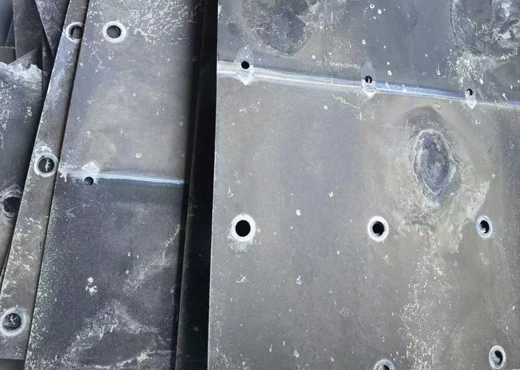
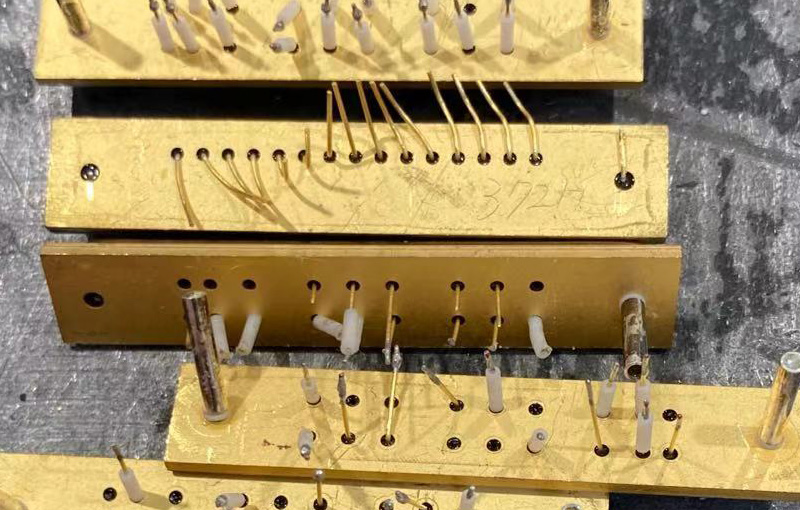
Purification and Recovery
Purification of materials, completion of recycling
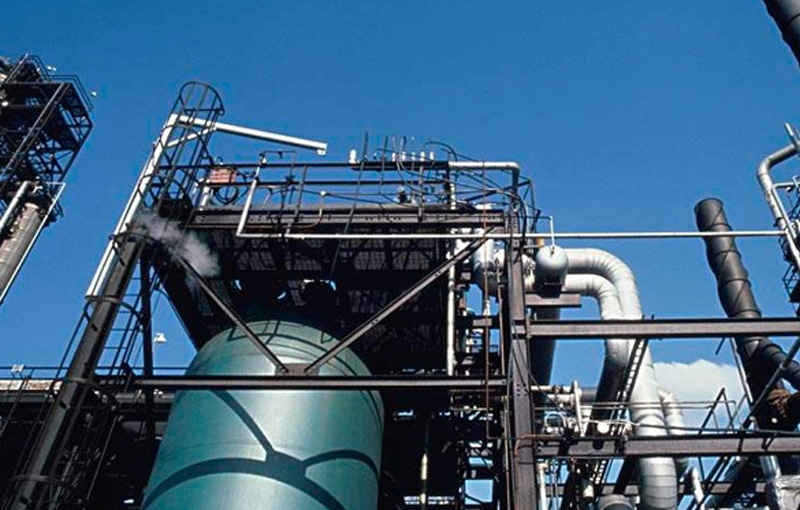
The traditional "chlor-alkali balance" primarily focuses on the market price differential between chlorine and caustic soda, but the byproduct hydrogen from the chlor-alkali industry is undergoing a revaluation. Through their collaboration at the Runcorn chlor-alkali plant, AFC Energy and INEOS are using hydrogen generated as a byproduct of chlor-alkali production to directly power alkaline fuel cells, thereby supplementing the plant's electricity needs. More detailed data comes from a study on distributed hydrogen fuel cell combined heat and power (CHP) systems in a chlor-alkali industrial park: a 2 MW system replaces 16 GWh of grid electricity annually, reduces CO2 emissions by 38,864 metric tons per year, has a payback period of 3.12 years, and remains viable even with electricity price fluctuations of ±20%. This means that hydrogen from the chlor-alkali industry is no longer simply burned off or vented, but has become a dispatchable asset that replaces purchased electricity during peak pricing periods. There is also experience with closed-loop systems on the brine side. A pilot-scale optimization of the chlor-alkali brine loop employed an integrated solution of chemical precipitation and nanofiltration, with the nanofiltration unit achieving a sodium sulfate retention rate of 75.7% and increasing wastewater reuse to 81.3%. At the same time, replacing sodium metabisulfite with hydrogen peroxide to neutralize residual chlorine reduced the daily input of sodium sulfate by approximately 11.5 kg, thereby cutting the cumulative sulfate load in the brine loop at the source. The common thread between these two approaches is that the unit of cost optimization in the chlor-alkali industry has shifted from "individual pieces of equipment" to the "hydrogen-electricity-salt-water" subsystem.
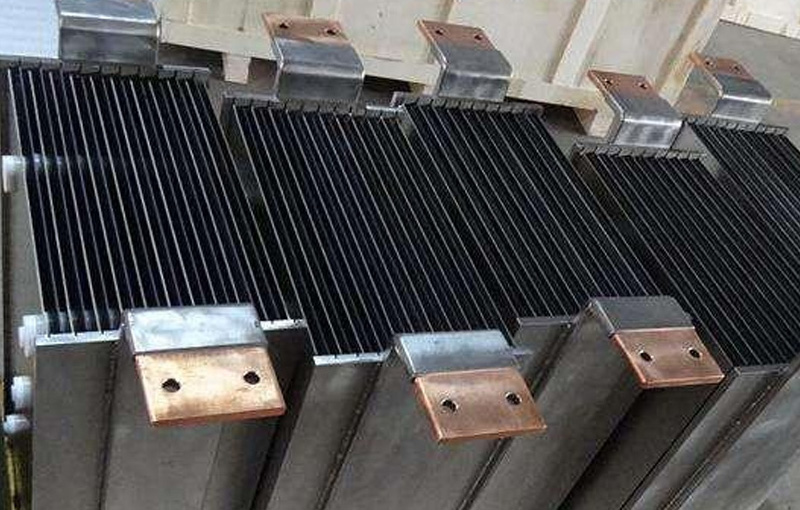
The most costly unplanned expenses in the chlor-alkali industry often do not arise during operation, but are instead rooted in the moment of shutdown. The reverse current generated during electrolyzer shutdown accelerates cathode degradation, raises cell voltage, and shortens electrode life. Asahi Kasei's nickel-coated reverse current absorption layer—which won the top prize at the 2025 Japan National Invention Awards—employs a porous nickel layer that consumes reverse current through a chemical reaction during shutdown, thereby suppressing cathode degradation at its source rather than relying on failure-prone mechanical protection devices. This technology has been deployed in more than 160 plants across over 30 countries as part of the company's ion-membrane chlor-alkali electrolysis systems. ThyssenKrupp nucera's BM2.7 v7 and e-BiTAC v7 electrolysers, launched in 2025, advance both energy efficiency and maintainability: energy consumption per unit is less than 1,960 kWh/metric ton of NaOH at a current density of 6 kA/m2, while a flexible component structure and new cell block mounting system significantly shorten the shutdown window required for cathode replacement. For maintenance teams in the chlor-alkali industry, these two insights point to the same operational logic: managing "shutdown losses" and "voltage creep" as performance metrics on par with energy consumption.
The EU chlor-alkali industry is currently managing two sets of accounts simultaneously. On the carbon side, the benchmark for chlorine under the EU ETS is currently based on oxygen-depolarized cathode technology, which accounts for less than 1.5% of EU production and does not represent the energy efficiency levels of the mainstream ion-exchange membrane process. Euro Chlor has commissioned a third-party technical assessment to push for aligning the benchmark with Best Available Technology (BAT), with the expected impact to materialize by the end of 2026. This means that the chlor-alkali industry's carbon costs do not depend solely on its own emissions but also on whether the benchmark "represents" its specific process route. Regarding energy costs, the Clean Industry Scheme Aid Framework (CISAF) was adopted in June 2025 and remains in effect through 2030. It provides electricity price reductions for energy-intensive industries such as the chlor-alkali sector, capped at 50% of the average wholesale electricity price and covering up to 50% of total consumption, with a minimum effective price of 50 euros/MWh—provided that at least half of the aid funds are reinvested in decarbonization or modernization. For compliance officers in the chlor-alkali industry, the practical implication of these two pieces of information is that the window for adjusting carbon benchmarks and the reinvestment requirements for energy subsidies must be factored into a single technical retrofit timeline.
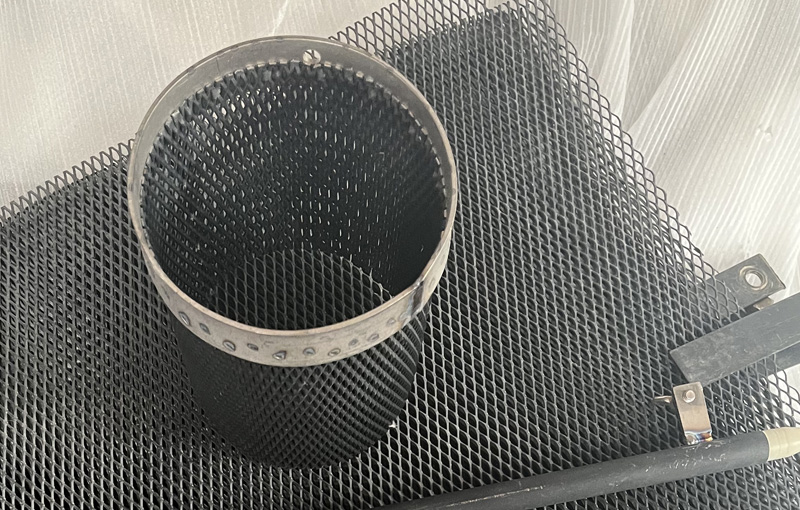
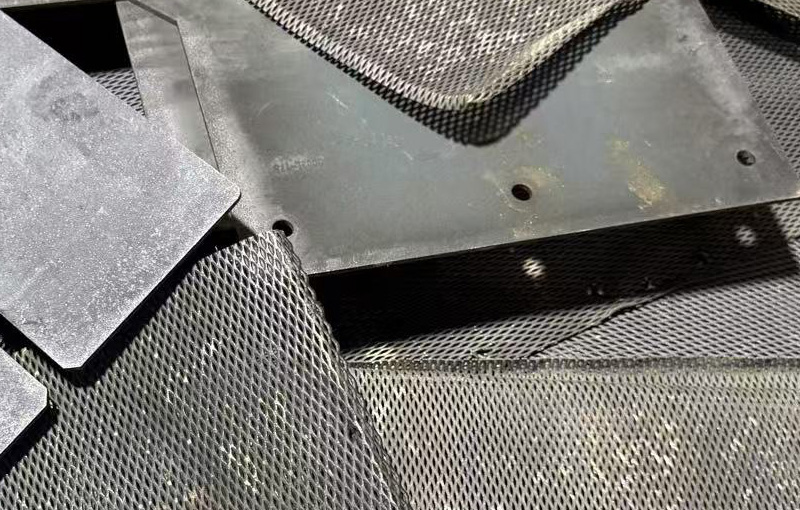
Salt sludge and waste salt from the chlor-alkali industry are shifting from "on-site disposal" to "regional raw material substitution." Through their joint venture Resolest, Solvay and Veolia operate an external-loop system for the chlor-alkali industry in Rosières-aux-Salines, France: salt is recovered from industrial flue gas treatment residues and fed into Solvay's sodium carbonate production facility as purified brine, transforming waste management into a raw material supply within the regional industrial ecosystem. Another approach involves fly ash from municipal solid waste incineration. In an industrial-scale trial where fly ash-derived salt (FARS) was blended at a 20% ratio into the feed salt for ion-exchange membrane chlor-alkali production, a 160,000 metric tons per year production line operated stably for 60 days, maintaining an electrical current efficiency of >98%. A life cycle assessment showed a 5.20% reduction in environmental impact and a 17.01% reduction in life cycle costs. Beyond these experiences, a specialized recycling chain is also taking shape for the decommissioning of electrodes in the chlor-alkali industry: precious metals in waste nickel mesh, titanium substrates, and coatings are incorporated into targeted precious metal recovery processes; titanium substrates enter the titanium recovery stream, while nickel mesh and nickel components enter the nickel recovery stream for use in the manufacture of new electrodes or battery frames. For waste managers in the chlor-alkali industry, the key change lies in the evaluation criteria: whether a waste stream has value is no longer determined solely by whether it can be reused on-site, but rather by whether it can serve as qualified raw material for the next industrial stage.


